
Stepper Motors
from ElectroCraft

ElectroCraft sets the standard for quality, reliability, and durability in hybrid stepping motors. The precision of our TorquePower motors is matched only by the dependability of their performance. Delivering exceptional holding torque at low speeds, our stepper motors are perfect for engineers, OEMs and manufacturers in automation, robotics, medical devices, and precision machinery sectors who demand reliable, high-torque motion control in compact spaces.

Superior Torque and Performance
Holding torques up to 294 oz-in (208 Ncm) in NEMA 23 frames, 78 oz-in (55 Ncm) in NEMA 17, and 23 oz-in (16 Ncm) in NEMA 11, with speeds reaching 100 RPS—surpassing standard motors for enhanced low-speed stability and overall efficiency.
Rugged, Low-Maintenance Design
Totally enclosed construction with permanently lubricated ball bearings ensures bi-directional operation, smooth performance, and extended lifespan in demanding environments, minimizing downtime and repair costs.
Customization and Versatility
Available in a variety of standard or custom windings, with various shaft and encoder options, enabling seamless integration into diverse applications while providing precise, dependable stepping at 1.8° angles.

TorquePower Enhanced Stepper Motors

Holding Torque 11 to 294 oz-in (8 to 208 Ncm), Speed 50 to 100 RPS

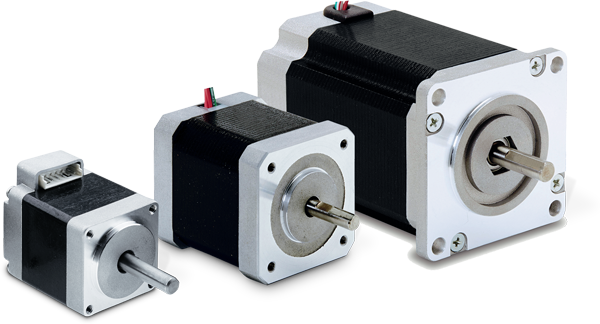
The TorquePower Enhanced Series is our newest, highest performing hybrid stepper motor in NEMA 11, 17, and 23 frame sizes, offering increased holding torque and improved low speed performance, making it the go-to choice for applications requiring power, precision, and protection without compromising on compactness.

more

ElectroCraft’s TPE series empowers your designs with unmatched power density and reliability, reducing total cost of ownership while accelerating time-to-market for innovative motion solutions. Choose the TPE series to elevate your systems beyond the ordinary.

less
Frame Size
Holding Torque
Speed

TPE11M NEMA 11 Stepper Motors

Frame Size NEMA 11
Holding Torque 23 oz-in (16 Ncm)
Speed 100 RPS

TPE17 NEMA 17 Stepper Motors

Frame Size NEMA 17
Holding Torque 78 oz-in (55 Ncm)
Speed 80 RPS

TPE23 NEMA 23 Stepper Motors

Frame Size NEMA 23
Holding Torque 294 oz-in (208 Ncm)
Speed 50 RPS

TPP34 NEMA 34 Stepper Motors

Frame Size NEMA 34
Holding Torque 1,190 oz-in (840 Ncm)
Speed 35 RPS

TorquePower Stepper Motors

Holding Torque 48 to 2,100 oz-in (33.9 to 1,482.9 Ncm), Speed 24 to 85 RPS

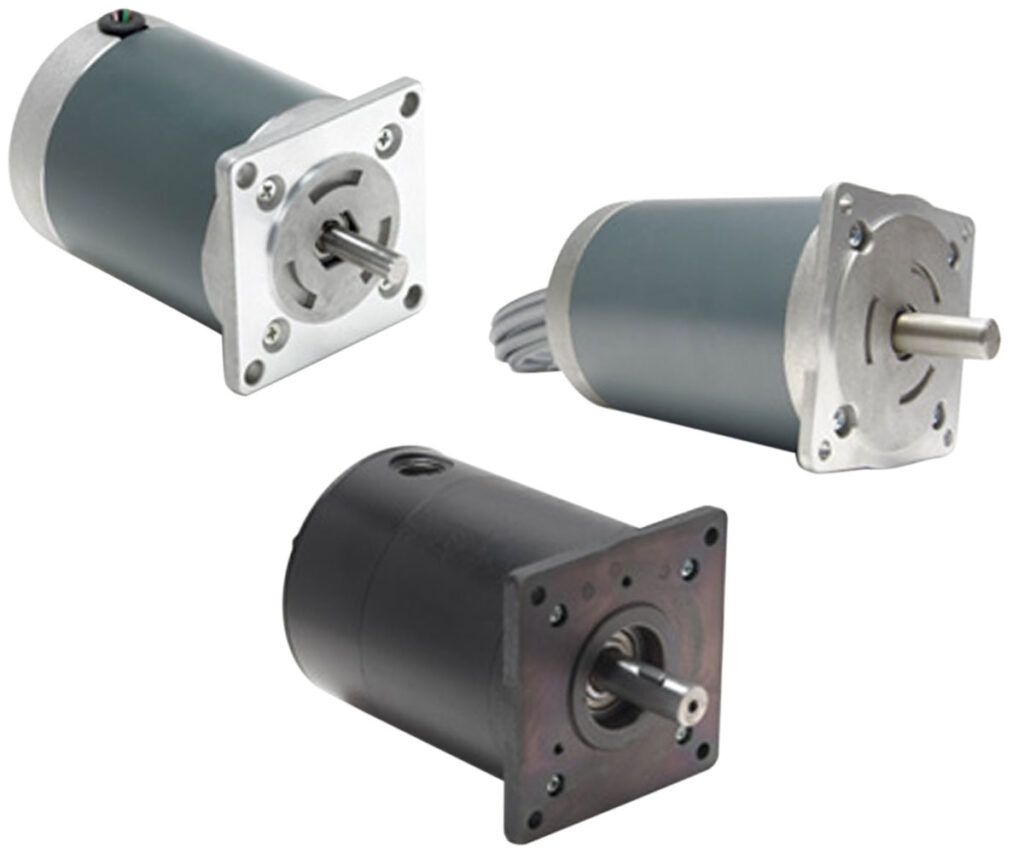
For larger capacity applications, the TP series hybrid stepper motor family offers larger frame sizes with up to 2,100 oz-in of holding torque and a sealed case for improved environmental protection.
Size
Holding Torque
Speed

TP23 NEMA 23 Stepper Motors

Size NEMA 23
Holding Torque 210 oz-in (148.3 Ncm)
Speed 85 RPS

TP34 NEMA 34 Stepper Motors

Size NEMA 34
Holding Torque 620 oz-in (437.8 Ncm)
Speed 34 RPS

TP42 NEMA 42 Stepper Motors

Size NEMA 42
Holding Torque 2,100 oz-in (1,482.9 Ncm)
Speed 24 RPS

Choose a stepper motor family

Start with the NEMA frame size and mounting space. Next, check the holding torque at standstill and target speed. Then choose the family that matches your build.

TorquePower Enhanced (TPE)

for NEMA 11, 17, 23

TPE models are available in NEMA 11, 17, and 23 frame sizes, each with a 1.8° step angle. They offer bipolar and unipolar windings, as well as shaft and encoder options. Choose TPE when space is limited, adjust stack length to achieve the desired holding torque, and match the winding type to your drive wiring plan.

TorquePower Plus (TPP)

for NEMA 34

TPP corresponds to the TPP34 model in a NEMA 34 frame, featuring a 1.8° step angle. Holding torque and speed vary with stack size, and both bipolar and unipolar options are available. Select TPP when NEMA 34 meets your mounting and torque requirements. Choose stack size first, then match the winding type, ensuring drive selection aligns with your winding choice.

TorquePower (TP)

for sealed NEMA 23, 34, 42

TP sealed includes TP23, TP34, and TP42 frame options. Each model uses a 1.8° step angle. The sealed case is suitable for applications that require environmental protection. Use TP sealed when dust, splash, or exposure is in the requirement list. Choose frame size first, then match holding torque and speed on the model card.

Step angle basics for 1.8° steppers

Step angle refers to the rotation per full step. A 1.8° stepper rotates 1.8° with each full step, resulting in 200 full steps per revolution.

Step mode is configured in the drive, with common options including full step, half step, and microstepping. Select the mode that best suits your speed and application requirements.

Full step

This mode uses the motor’s base step angle. A 1.8° motor provides 200 steps per revolution and is suitable for indexing and repeatable stops.

Half step

This mode divides each full step into two commands. A 1.8° motor produces 0.9° per step, resulting in 400 steps per revolution.

Microstepping

Microstepping divides a full step into smaller increments, with the microstep size determined by the drive settings and step resolution. Load torque and static friction can affect microstep accuracy.

Drive compatibility for TP, TPP, and TPE

Match the drive to the specific stepper motor part number. Begin with the motor series name—TorquePower TP, TorquePower Plus TPP, or TorquePower Enhanced TPE—and refer to the compatibility table for that series.

Check compatibility in two places: the stepper motor model page, which includes a Drive Compatibility table, and the drives compatibility page, which groups drives by stepper motor series.

Use the compatibility tables

Locate the motor part number on the model page and match it to the corresponding drive model in the same row. Ensure the motor series, voltage, and drive model are properly aligned.

Where to check compatibility

Use Drive Compatibility on the motor model page for the direct match. Use the drives’ compatibility page to review coverage for the TP, TPP, and TPE series.

What to match before selecting a drive

Match motor series, motor part number, and voltage line first. Then confirm the drive model shown on the same row. After that, pull drawings and wiring data from the model downloads.

Where stepper motors fit

Stepper motors suit equipment that needs indexing and repeatable positioning. Common uses include lab automation stages, medical device motion, and HVAC valve control. ElectroCraft stepper motor families cover these applications across the industries listed below.

  • Medical devices and mobility
  • Lab automation equipment
  • Electronics manufacturing equipment
  • Agriculture equipment
  • Industrial automation equipment
  • Military and defense systems
  • Robotics systems
  • Motor vehicles and transportation
  • Marine and shipbuilding equipment
  • HVAC actuators and controls

FAQs

Start with the NEMA frame size and mounting space. TPE covers NEMA 11, 17, and 23 sizes. TPP covers NEMA 34 through the TPP34 family. TP sealed covers TP23, TP34, and TP42 when dust or splash exposure exists.

Holding torque is measured at zero speed and indicates the torque the motor can resist while stationary. Use this value for static hold and start load assessments. Holding torque varies with frame size and stack length.

Holding torque is not the same as torque during motion. Stepper motor torque decreases as speed increases, and load affects usable torque. Refer to speed-torque curves for dynamic performance. Use holding torque only for standstill and start conditions.

The speed listed on the product card is the specified value for that motor line. Actual speed varies with winding selection, stack length, and load. Consult the speed-torque curve for your application and ensure speed and torque requirements are met for your build.

Full step uses the base step angle per command. A 1.8° stepper gives 200 full steps per revolution. Half-step splits each full step into 2 commands. Half step gives 0.9° per step and 400 steps per revolution.

Choose TP sealed when dust or splash exposure exists. Use TP sealed when the motor sits near the wash or debris. The TP family includes TP23, TP34, and TP42. Pick frame size first, then match holding torque and speed targets.

Verify NEMA frame size, stack length, and step angle. Confirm holding torque and speed targets for the selected part number. Ensure the winding type matches your wiring and drive requirements. Check shaft dimensions and mounting pattern, and include encoder options if feedback is needed by the controller.

Add an encoder when the controller needs position feedback. Add an encoder when the system needs speed feedback verification. Encoders help detect missed steps in some control setups. Confirm encoder type, signal format, and connector needs early. Keep the harness and pinout aligned with the controller.